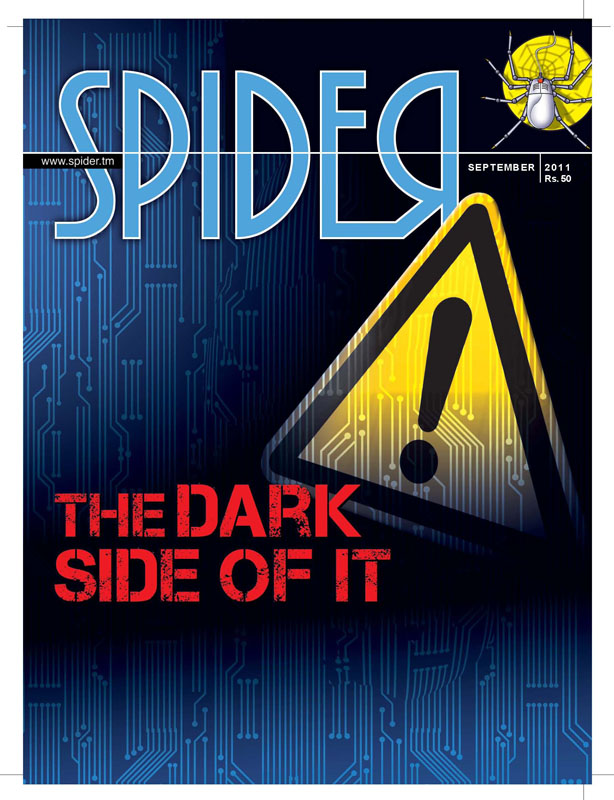
 In the early 1990’s digital enthusiasts hoped that the information age would create ‘electronic neighbourhoods’ bound together not by geography but by shared interests. Today, social media is a fact of life – involving many actors, regular citizens, activists, non-governmental organisations, telecommunication firms, software providers, and governments. The explosive growth of social networking in the last few years, has given people a voice around the world.
Earlier this year, we saw social networking activism rallying citizens against oppressive governments. However, many continue to view new applications and social tools that grab and keep our attention, as tools of frantic mindlessness. The power of anonymous, anti- authoritarian, attention grabbing, and anarchy causing instruments does not take attention away from the ability of governments to restrict social networking. Facebook, Twitter and LinkedIn have all been officially blocked in China in recent years. More than a dozen countries block internet sites for social, political security and religious reasons. The same tools that have enabled social movements and social justice also facilitate intensifying surveillance, making these tools a mixed public good.
The use of social media to aid this year’s Arab Spring lifted hearts around the world but, on the other hand also gave way to a British summer of ‘Twitter-fied’ discontent. The London riots provided a referendum on social media when hooded and masked vandals used Twitter and, particularly Blackberry messages to coordinate looting of a street. Further, what may begin as seamy gossip about celebrity affairs soon becomes a test over how far the rights to privacy and free speech extend online. It is clear then, that the use of social media tools, text messaging, e-mail, photo-sharing, social networking, does not have a single preordained outcome.Technology can never be used as the fall guy. People texting away on their mobile phones are responsible for their actions, for public good or fleeting private entertainment. A networked world is not inherently a more socially-just world.
 Reba Shahid